

We have all been there. You are tired of prompting ChatGPT over and over again, trying to get it to sound exactly like your brand. You are wasting hours editing generic output. You start thinking, "What if I just built my own tool? One that knows my style, my products, and my audience perfectly?"
It is a brilliant idea. Moving from using AI to building AI is the single biggest leverage point for a business in 2026.
But here is the reality check: Building a custom content generation tool is not just about typing a few instructions into a box. It is a software development project. It involves data, design, and testing. If you go in blind, you will end up with a broken bot that hallucinates facts.
If you are ready to build an asset that actually saves you time, here is exactly what you need to expect during the process.
1. The Blueprint Phase: Defining the Brain

Before a single line of code is written, you have to decide what this tool is actually supposed to do. A common mistake is saying, "I want a tool that writes everything." That is a recipe for failure.
You need to narrow the scope. Are you building a:
- Blog Post Generator that mimics your specific SEO structure?
- Social Media Engine that turns one video into ten LinkedIn posts?
- Email Assistant that reads your past replies and drafts new ones?
What to expect: You will need to spend time gathering your "Source of Truth." This means collecting your best past content, your brand guidelines, and your "do not say" lists. The AI needs examples to learn from. If you feed it messy data, you will get messy results.
2. The Construction Phase: The Technical Heavy Lifting
This is where things get technical. You aren't just chatting with a bot anymore; you are building an application.
Your developer will need to connect an AI model (like OpenAI’s GPT-4 or Anthropic’s Claude) to your own systems via an API.
What to expect:
- Prompt Engineering: This is not just asking a question. It is writing complex logic chains (e.g., "If the user asks for a tweet, keep it under 280 characters, use no hashtags, and adopt a sarcastic tone.")
- Context Window Management: You need to figure out how much "memory" the tool has. Can it remember what you wrote last week? Or does it reset every time?
- The User Interface (UI): How will your team use it? Do they need a simple chat box, or a dashboard with dropdown menus for "Tone," "Length," and "Format"?
3. The Tuning Phase: Teaching It to Be Human
The first version of your tool will likely disappoint you. It might sound robotic. It might make up facts. This is normal.
The "Tuning" phase is where the magic happens. You and your developer will test the tool, find the flaws, and adjust the "temperature" (creativity level) of the AI.
What to expect:
- Hallucinations: The AI might invent products you don't sell. You will need to build "guardrails" to stop this.
- Tone Matching: You will likely need to tweak the instructions multiple times to stop it from sounding like a corporate press release and start sounding like you.
4. The Maintenance Reality
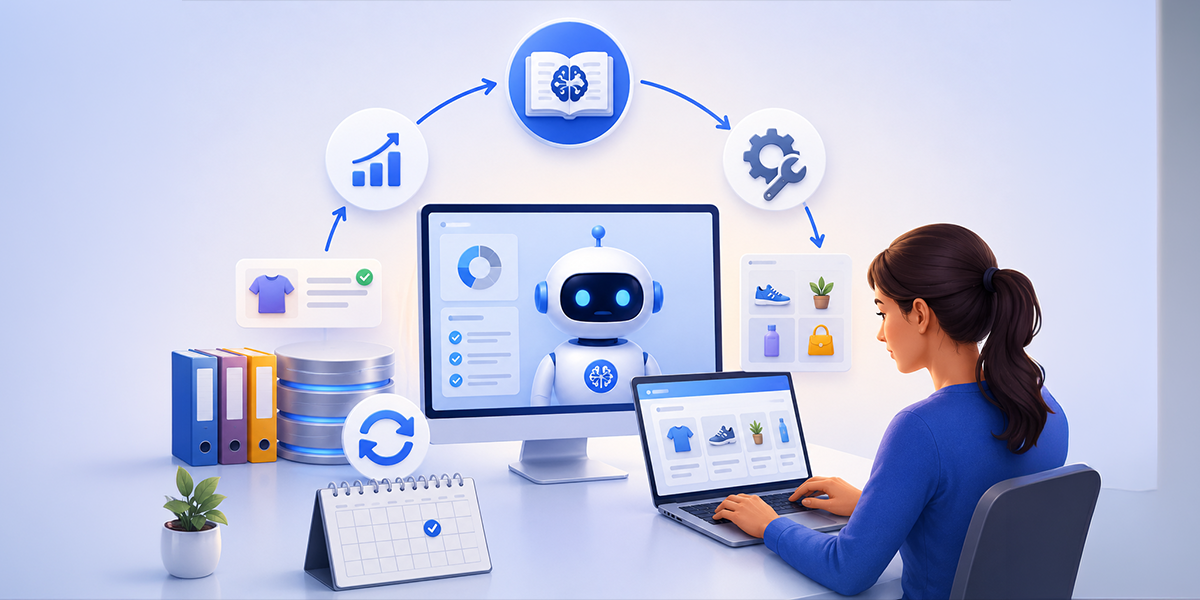
An AI tool is not a "set it and forget it" project. AI models update. Your business changes.
What to expect: You will need to update the tool's knowledge base occasionally. If you launch a new product, you have to "teach" the tool about it, or it will continue selling your old inventory. Make it a habit to audit your AI's knowledge base once a month.
Why You Should Not Build It Alone
Reading this list might feel overwhelming. Data cleaning? API integration? UI design? It is a lot for one person to handle, especially if you are trying to run a business at the same time. This is why smart founders don't build alone; they hire specialists.
This brings us back to our main topic: finding the right talent. You don't need to learn Python to own a custom AI tool. You just need to hire someone who already knows it.
If you are looking for verified experts who can handle the blueprints, the construction, and the tuning for you, check out our specialised AI marketplace. Experienced engineers can turn this complex project into a turnkey solution for your brand.
Final Verdict
Is building a custom tool worth the effort? Absolutely.
While the process requires more work upfront than simply paying a monthly fee for a generic chatbot, the return on investment is massive. You are moving from renting a tool to owning an asset. A custom tool does not just write for you; it thinks like you. It allows you to scale your content creation without diluting your brand voice, giving you a competitive advantage that generic tools can never match.
However, unless you have a background in coding, do not try to build this alone. The technical gap between a "fun chatbot" and a "business-grade content engine" is huge. The smartest path is to be the architect who provides the vision, but hire a professional builder on Legiit specialising in programming & technology to pour the concrete.
FAQ: Understanding the AI Landscape
Q: What are content generation tools?
A: Content generation tools are software applications that use Artificial Intelligence (AI) to create written, visual, or audio content. Unlike standard writing tools (like a word processor), these tools actively generate new material based on your inputs, helping with blogs, emails, social media posts, and ad copy.
Q: What is the 30% rule in AI?
A: In content creation, the 30% Rule states that AI should do about 70% of the heavy lifting (research, outlining, and drafting), but the final 30% must be human. This final 30% includes adding personal stories, emotional nuance, fact-checking, and brand-specific tone. It ensures the content feels authentic rather than robotic.
Q: What are the 7 C's of AI?
A: The "7 C's" are a framework for ensuring your AI data and output are high quality. While definitions vary, in a business context, they often refer to: Compliance, Confidence, Consolidation, Consistency, Clarity, Context, and Causation.
Q: What is the 10-20-70 rule for AI?
A: This is a rule for successful AI adoption in business. It states that success is 10% Algorithms (the actual AI models), 20% Technology (the infrastructure and data pipelines), and 70% People & Processes (the human side, training your team, changing workflows, and adopting the new culture).








 Download