

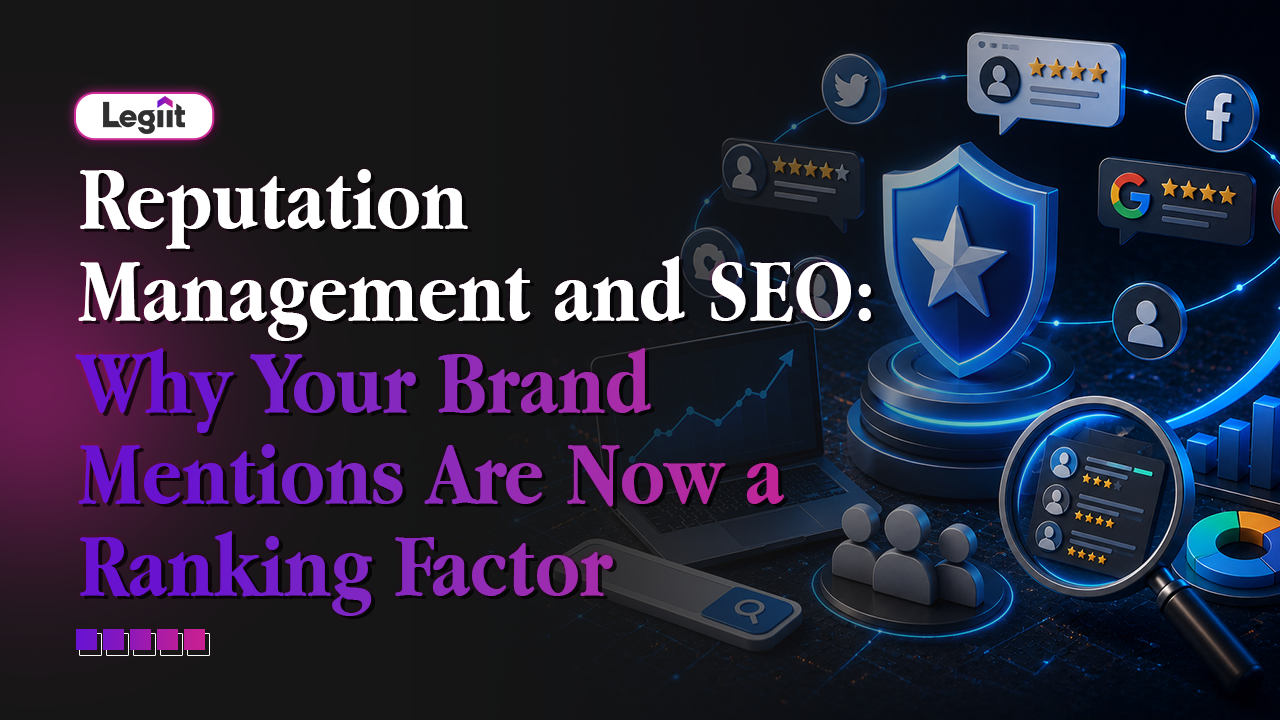
The digital marketing landscape of 2026 has officially moved beyond the era of "Link Counting."
For years, SEO was a mechanical game of acquiring as many clickable backlinks as possible to manipulate search rankings.
But as search engines evolved into AI-driven discovery engines, they stopped looking only at what sites you "link" to and started looking at what the internet says about you.
According to recent industry insights, search systems now evaluate the entire spectrum of a brand's footprint.
This includes how often you are mentioned, where those mentions originate, and whether real human beings are engaging with your brand across multiple platforms.
In 2026, your reputation isn't just a PR concern; it is a foundational ranking factor that dictates whether an AI assistant will recommend your business or hide it forever.
1. The Rise of "Implied Links" (Unlinked Mentions)
In the current search ecosystem, a mention of your brand name on a high-authority site is often just as valuable as a traditional backlink.
We call these "Implied Links," and they are the secret weapon for building Entity Authority in 2026.
Entity Confidence and Co-occurrence
AI systems use "co-occurrence networks" to see how often your brand name appears near high-value topics.
If your name frequently appears in articles discussing "Expert SEO" or "Professional Electricians," the AI begins to associate your brand with those specific solutions.
Machine Learning Recognition
Google's algorithms no longer need a clickable URL to understand an endorsement.
Through advanced Natural Language Processing (NLP), they recognise plain text mentions as a signal of trust and legitimacy.
The "Neighborhood" Effect
Frequent mentions alongside recognised industry leaders signal to the AI that you are a legitimate player in that digital "neighbourhood."
By simply being part of the conversation on major platforms, you increase your "Entity Score" without needing a single traditional link.
2. Sentiment Analysis: The New Quality Score
Search engines are no longer just indexing your keywords; they are parsing the emotional subtext of your brand's digital footprint.
Every review, social media comment, and forum mention is analysed to determine the "vibe" and reliability of your business.
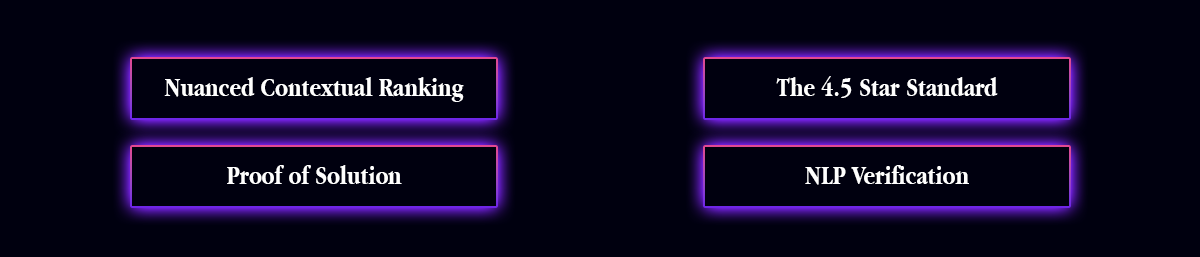
- Nuanced Contextual Ranking: If customers frequently mention that your service is "perfect for emergencies," you will rank for those intent-based queries automatically.
- The 4.5 Star Standard: In 2026, a 4.0-star rating is considered the bare minimum; businesses with 4.5+ stars see a massive lift in AI recommendations.
- Proof of Solution: AI looks for proof of specific problem-solving in your reviews rather than just broad category keywords.
- NLP Verification: Algorithms can now distinguish between a "fake" generic review and a detailed, authentic customer experience.
3. Why Reputation Management is an SEO Necessity
For local service providers, reputation is no longer a "vanity metric"; it is the primary ranking factor for the Map Pack.
If you don't have a clean, active, and positive reputation, no amount of technical optimisation will save your rankings.
The Prominence Signal
In local SEO, "Prominence" is calculated by how well-known your business is across the web.
Unstructured mentions in local news outlets or neighbourhood blogs carry massive weight in proving you are a pillar of the community.
The AI Trust Gap
AI assistants are inherently "sceptical" of brands that only talk about themselves on their own domains.
Research shows that nearly 85% of brand mentions used in AI-generated answers come from third-party sites like Reddit, YouTube, or niche forums.
Revenue Impact of Trust
Every 1-star increase in your average rating can lead to a 5–9% lift in revenue.
Modern users trust AI-generated review summaries more than individual websites, making your aggregate reputation the ultimate sales tool.
4. Your 2026 Reputation SEO Checklist

To win in this "Reputation-First" era, you need to proactively manage how your brand is perceived by both humans and machines.
Use this checklist to ensure your brand mentions are working for your SEO, not against it.
- Seed Positive Sentiment: Encourage clients to mention specific "small wins" or unique services in their reviews to reinforce your intent signals.
- Monitor the "Neighbourhood": Use tracking tools to find unlinked mentions and attempt to turn them into high-authority backlinks.
- Data Consistency: Ensure your brand details (Name, Address, Phone) are identical across all platforms to avoid lowering your AI "confidence score."
- Engage with Authority: Participate in industry podcasts or webinars; being mentioned in "Top 10" lists alongside recognised leaders is a shortcut to authority.
- Audit Your Mentions: Use a Business Dashboard to see how your brand's technical health aligns with your public perception.
Frequently Asked Questions
Q: How do unlinked brand mentions affect SEO?
A: They act as "Implied Links." Search engines associate your brand with the surrounding content, building your topical authority and "Entity Trust" without a clickable link.
Q: What is sentiment analysis in search engines?
A: It is the use of AI to determine if the mentions of your brand are positive, negative, or neutral. Positive sentiment directly influences your likelihood of being recommended by AI assistants.
Q: How can I improve my brand's "Entity Score"?
A: By getting mentioned on high-authority, third-party sites like industry journals, news outlets, and niche forums that search engines already trust as "seed sites."
Q: Does responding to reviews help my SEO?
A: Yes. Active engagement signals to search engines that the business is operational, responsive, and cares about the "User Experience," which are all positive ranking signals.
Q: Can negative mentions hurt my rankings?
A: In 2026, yes. If a brand has a high volume of negative sentiment or unresolved complaints, AI assistants will filter that brand out of "Best of" recommendations.
The Strategic Bottom Line
In 2026, your brand is what the internet says it is, not what you claim it is on your homepage.
Reputation management is no longer a separate department; it is the very core of your SEO strategy.
By focusing on Sentiment, Prominence, and Entity Trust, you create a brand footprint that AI assistants are proud to recommend to their users.
Stop focusing solely on the "blue links" and start focusing on the human conversations surrounding your business.
By utilising the vetted marketing and reputation services on Legiit, you can ensure your brand's digital footprint is clean, authoritative, and ready for the AI era.








 Download