

For the past year, people have been building Custom GPTs for fun. They build bots that write poems, generate recipes, or tell jokes.
But a smaller, smarter group of entrepreneurs is doing something different. They are treating these AI tools as products.
The era of "AI as a novelty" is over. We are now in the era of "AI as an asset." If you can build a Custom GPT that solves a specific, expensive problem for a specific group of people, you can turn that digital tool into a serious revenue stream.
This guide breaks down the three main business models for monetisation, along with the key features that separate a profitable tool from a toy.
1. The Store Model (Revenue Sharing)
The easiest entry point is the official OpenAI GPT Store. This works similarly to Spotify or YouTube.
How It Works: You build a helpful GPT (like a "Math Tutor" or "Travel Planner") and publish it to the GPT Store. OpenAI tracks how much your GPT is used. Based on engagement, meaning how often people return and how long they talk to it, they pay you a portion of their subscription revenue.
The Upside: It is incredibly easy. You do not need to build a website, set up a payment processor, or handle customer support. You just build and publish.
The Downside: The competition is fierce. To make significant money, you need viral levels of traffic. It is better for brand awareness than for paying the mortgage.
2. The Lead Magnet Model (Indirect Revenue)
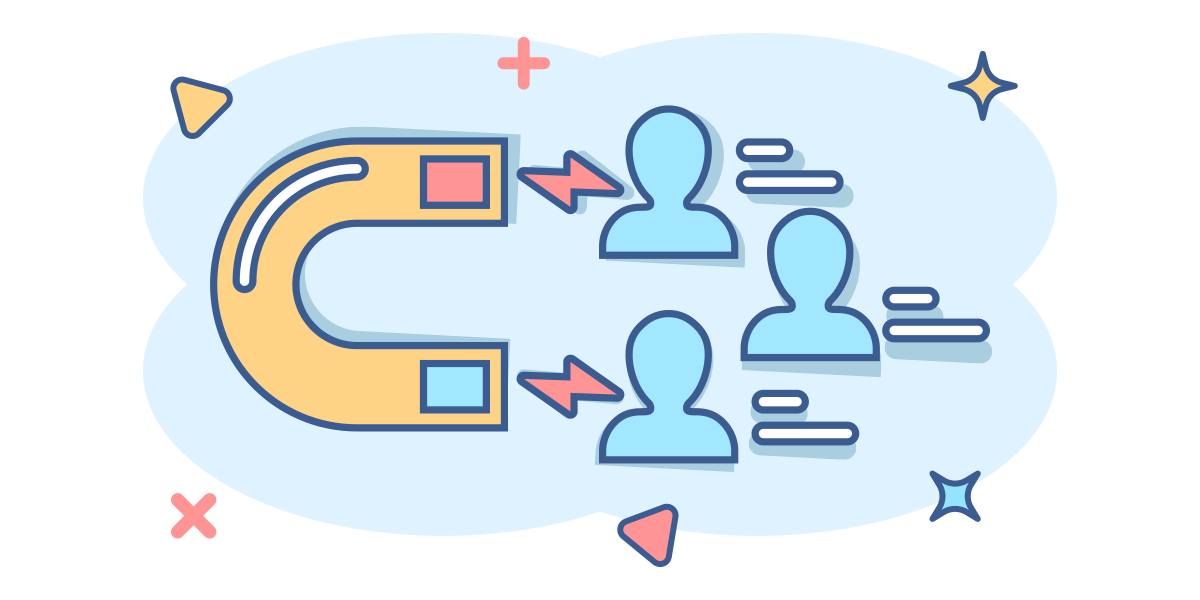
For most service businesses (agencies, consultants, coaches), this is the most profitable strategy. You do not sell the bot. You give the bot away for free to sell yourself.
How It Works: You build a GPT that solves a small part of your client's problem, and then use it to upsell your premium services.
The Strategy in Action:
- The Business: A Marketing Agency.
- The Free GPT: "The Viral Headline Generator." Potential clients use it to write catchy titles.
- The Upsell: At the end of every chat, the bot says: "I have generated your headlines. If you want our team to write the full articles for you, book a call here."
This turns the AI into a 24/7 salesperson that captures leads and warms them up before you ever speak to them. Building these entry-level tools is a massive play for long-term growth and low-cost acquisition.
3. The Subscription Model (Building a Wrapper)
This is the advanced path, often called the "SaaS" (Software as a Service) model. Instead of leaving your bot on ChatGPT where you cannot control the pricing, you take it off the platform and put it on your own website.
How It Works: You use an API to connect your AI brain to a custom website. Now, the AI lives on your domain (e.g., www.MyLegalBot.com).
- You Own the Customer: You can charge a monthly subscription fee directly to the user (e.g., $29/month).
- You Protect the Data: Your proprietary instructions are safer because they are hidden behind your own server, not public on the GPT Store.
- Higher Perceived Value: People expect store bots to be free. They are willing to pay for specialised software that looks and feels like a professional tool.
Key Features of Profitable GPTs
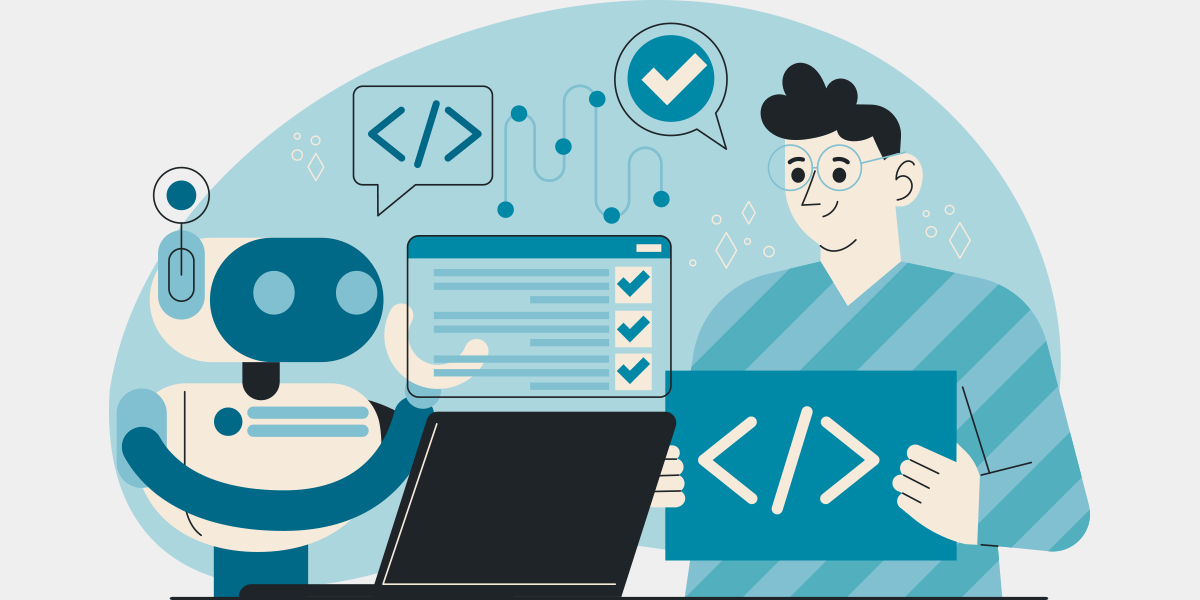
What makes someone pay for a bot? It usually comes down to three features that free bots lack.
1. Proprietary Knowledge (The "Secret Sauce")
A generic bot uses the whole internet. A profitable bot uses your private data. For example, a "Real Estate bot" is generic. A "Chicago Commercial Zoning Bot" trained on 500 local PDF zoning codes is a high-value tool that developers will pay for.
2. Integration and Action
The most valuable GPTs do not just talk; they do. They connect to email to send drafts, connect to calendars to book meetings, and connect to databases to look up live inventory. Users pay for automation, not just conversation.
3. Workflow Guidance
Profitable GPTs act like a consultant. They do not just wait for a question; they guide the user through a process. Instead of waiting for a prompt, a "Business Plan Bot" will ask the user 5 specific questions one by one, and then generate a full document based on the answers.
The Secret to Success: Niche Down
The biggest mistake people make is being too broad. If you build a "General Business Advisor," you are competing with standard ChatGPT. You will lose. To monetise, you must solve a specific, expensive problem.
- Don't Build: A Legal Assistant.
- Do Build: A Contract Reviewer for freelance graphic designers in California.
- Don't Build: A Fitness Coach.
- Do Build: A Postpartum Recovery Plan Generator for new mothers.
The more specific the problem, the more people are willing to pay for the solution. If you need to map out your infrastructure, outsourcing the structural blueprint to a dedicated business consultant helps lock in a clean logic flow early.
The Strategic Bottom Line
A Custom GPT is digital real estate. You can rent it out, you can use it to attract visitors, or you can build a shop on top of it. The market is currently flooded with low-quality toys. There is a massive opportunity for serious business owners to build high-utility, professional-grade AI tools.
For the best results, we recommend you go with Legiit to find a Full Stack AI Developer. Whether you want to build a simple lead magnet or fully paid subscription software, Legiit has freelancers who can handle the technical integration, allowing you to focus on the business strategy.
Monetization FAQ
Q: Can I sell the GPT itself?
A: Not directly on the OpenAI store yet. Currently, you earn based on usage or by using the bot to sell outside services. To sell the bot as a product, you need to use the Subscription Model described above.
Q: Do I need to know how to code to build a subscription site?
A: Not necessarily. While coding helps, new "No-Code" platforms (like Bubble or specialised AI app builders) allow you to create a "wrapper" website around your AI without writing code. You can also hire a freelancer to handle just the technical setup.
Q: Is my idea safe from being copied?
A: Ideas are rarely unique, but your data is. If you train your GPT on your own private case studies or proprietary framework, competitors cannot easily copy the quality of your results even if they copy the idea.
Q: Can I put ads in my GPT?
A: Yes, in the "Lead Magnet" model. You can program the GPT to suggest specific affiliate products (like a specific software tool or book) when relevant to the user's problem.




 Download