


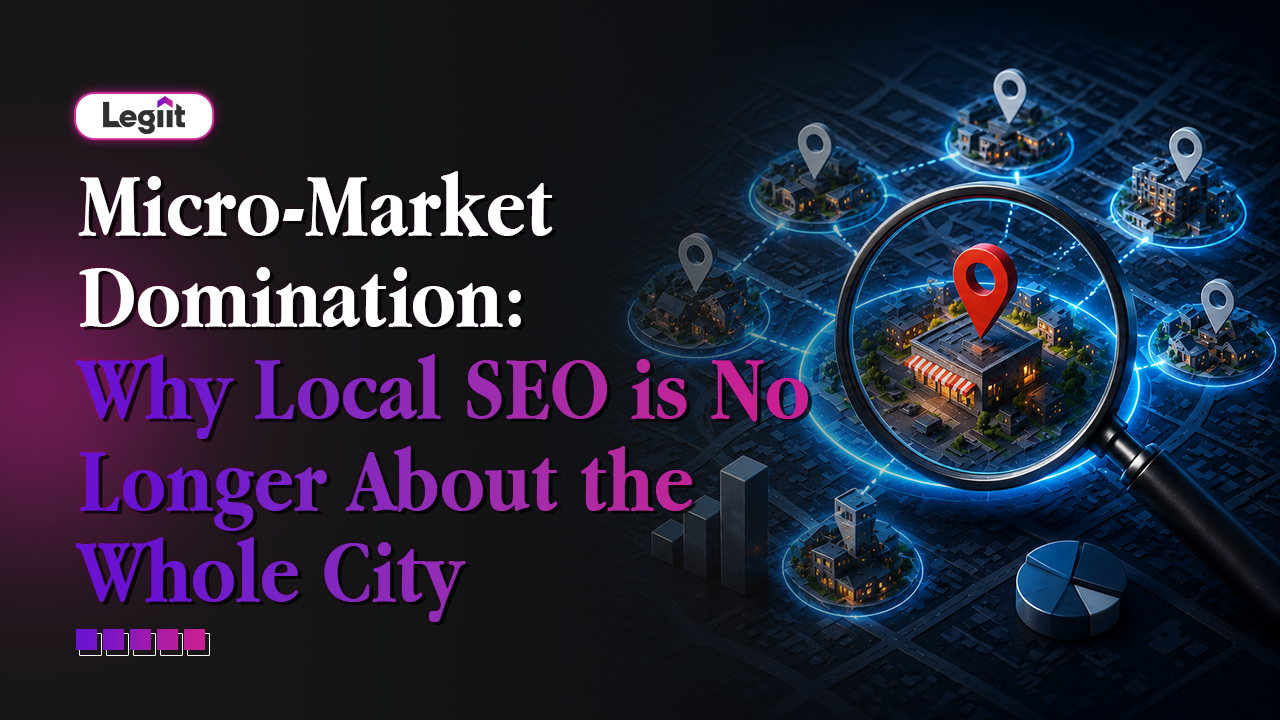
The digital marketing landscape of 2026 has officially moved beyond the "Big City" strategy.
For years, local businesses have been obsessed with ranking #1 for broad terms like "Plumber in Mumbai" or "Electrician in Manchester."
According to the latest 2026 SEO predictions from Envisionit, that approach is now a relic of the past.
As AI search engines become more sophisticated, they are prioritizing Hyper-Local Proximity over broad city-wide authority.
In 2026, the battle for search visibility isn't won at the city level; it is won block-by-block, neighbourhood-by-neighbourhood.
If your business isn't optimised for the specific micro-market of the searcher, you are essentially invisible to the local customers who are ready to buy right now.
1. The Shift: Broad City Rankings vs. Hyper-Local Dominance
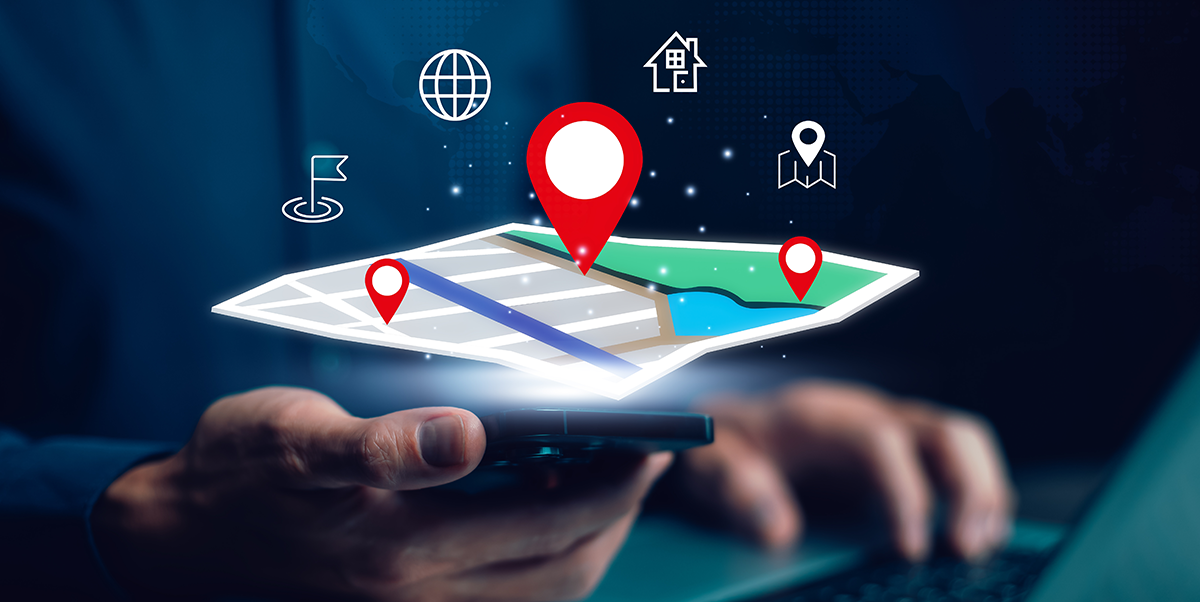
The traditional "City Trap" is a mistake that is costing local businesses thousands in lost leads every month.
In 2026, ranking for a broad city term often results in "junk traffic": people who are too far away or just browsing.
The AI Proximity Bias
Google’s AI Overviews and the "Local Pack" now prioritise Distance + Specific Relevance over global brand authority.
If a user in Bandra West searches for a service, the AI will prioritise a business three blocks away over a "famous" city-wide brand ten miles away.
This "Micro-Market" bias is designed to provide the most frictionless experience for the mobile user.
Conversion Intent is Higher in Micro-Markets
Users who include a specific district or neighbourhood in their search, like "Sector 62" or "Chorlton", have a significantly higher intent to purchase.
They aren't just researching a service; they are looking for a local provider who can reach them immediately.
Dominating these small pockets of high-intent users is the fastest way to increase your actual service bookings.
2. How to Dominate a Micro-Market in 2026
To win at the neighbourhood level, your digital signals must prove that you are a physical staple of that specific community.
AI assistants now look for "Local Context" clues to verify that you actually operate where you say you do.
- Neighbourhood Landing Pages: Instead of one generic "Services" page, create dedicated pages for every district you serve.
- Landmark Optimisation: Mention specific local landmarks (like "near the Gateway of India") and recognisable road crossings in your copy.
- Hyper-Local Backlinks: A link from a local neighbourhood association or a district news portal carries more "Micro-Market Authority" than a global guest post.
- Advanced Schema: Use the areaServed property in your LocalBusiness Schema to define specific ZIP codes and neighbourhood boundaries for AI crawlers.
3. The "Visual Verification" Layer of Local SEO
AI search engines in 2026 are using images as "trust signals" to verify your physical presence in a micro-market.
Generic stock photos are now an SEO liability; you need visual proof of your local footprint.
Geotagged Proof of Work
Regularly upload high-quality photos of your team at work in specific neighbourhoods.
Ensure these photos include recognisable local street signs or buildings in the background to provide "Visual Context" to the AI.
Neighborhood-Specific Reviews
Encourage your happy clients to mention their specific district in their reviews.
A review that says, "Best plumber in Mumbai’s Juhu district!" helps AI models confirm your authority in that specific micro-market.
AI scanners prioritise these "Named Location" reviews when deciding who to feature in an AI Overview for a local search.
4. Why This is Your Agency's Biggest Upsell Opportunity

Most small business owners are still stuck in the 2020 mindset of "ranking for the whole city."
As an agency, you can position Micro-Market Domination as a premium, high-ROI service that competitors aren't offering.
The High-Income Pitch
Don't just promise rankings; promise dominance in the five highest-income neighbourhoods your client serves.
Show them that owning "Bandra" or "South Kensington" is worth more in actual revenue than ranking #10 for the entire city.
Implementing the Strategy
Use a hyper-local site strategy to build "micro-niche" authority sites or pages for every district your client operates in.
This creates a "Digital Moat" around their business that makes it nearly impossible for new competitors to break in. Hiring professional content creators to craft these highly specific location pages prevents the text from looking generic or automated.
Providing the Proof
Use Geo-Grid heatmaps to show the client exactly where they are winning and where they are losing on a block-by-block basis.
When a client sees a "Sea of Green" over their most profitable neighbourhood, they understand the value of your work instantly. Setting up this backend tracking requires advanced implementation from the technical SEO subcategory to keep the data pipelines accurate.
Frequently Asked Questions
Q: What is the concept of a micro-market in SEO?
A: A micro-market refers to a specific, geographically small area such as a neighbourhood, district, or ZIP code. In 2026, SEO focuses on winning these small areas rather than trying to rank for an entire city.
Q: What are examples of micromarketing?
A: An example would be a local cafe running ads specifically for residents within a two-block radius or an electrician creating a landing page specifically for "Emergency Repairs in Bandra West."
Q: How does this differ from traditional Local SEO?
A: Traditional Local SEO focuses on "City + Keyword." Micro-market SEO focuses on "Neighbourhood + Context + Proximity," utilising landmarks and local reviews to build deeper trust.
Q: What is an example of a micromarketing company?
A: Companies like hyper-local delivery apps or specialised service agencies (like those focusing on niche neighbourhood SEO) are prime examples of the micro-market model.
Q: Does this mean I should stop targeting city-wide terms?
A: No, but your "City" page should act as a hub that links out to your more specific "Neighbourhood" pages, which will likely drive higher conversion rates.
The Strategic Bottom Line
In 2026, the "Whole City" approach to SEO is a recipe for mediocrity.
The businesses that are thriving are the ones that have claimed their territory at the neighbourhood level.
By focusing on Micro-Market Domination, you align your business with the proximity bias of modern AI and capture the highest-intent leads in your area.
Stop trying to be everything to everyone in a massive city; start being the only choice for the people in your own backyard.
By utilising the vetted marketing services on the premier SEO marketplace, you can find the exact hyper-local experts you need to map out your territory and dominate your target districts today.








 Download