


There's a lot of crossover between affiliate and digital marketing.
Both serve to reach out to their target audience and bring them down one's sales funnel.
In fact, most affiliates employ digital marketing trends and tactics to help promote products on their online properties.
But surely there's something that differentiates one from the other!
This post allows us to clearly define what digital and affiliate marketing are by looking at different factors.
To be clear, this isn't a "digital marketing vs. affiliate marketing" post. Both help businesses function better when used together.
But for the purpose of discussion, we want to know their defining factors to help you decide which between the two is the best path for you to take.
#1 - Definition
Affiliate marketing
In simple terms, affiliate marketing refers to the process of promoting products and services as part of their respective affiliate programs. For every successful sale made, affiliates earn commissions based on the percentage set for the program.
Digital marketing
On the other hand, digital marketing refers to promoting and advertising one's business using various online platforms and digital technologies. This means all contact with prospects is limited to their interaction on online platforms only.
#2 - Required skills
Digital marketing
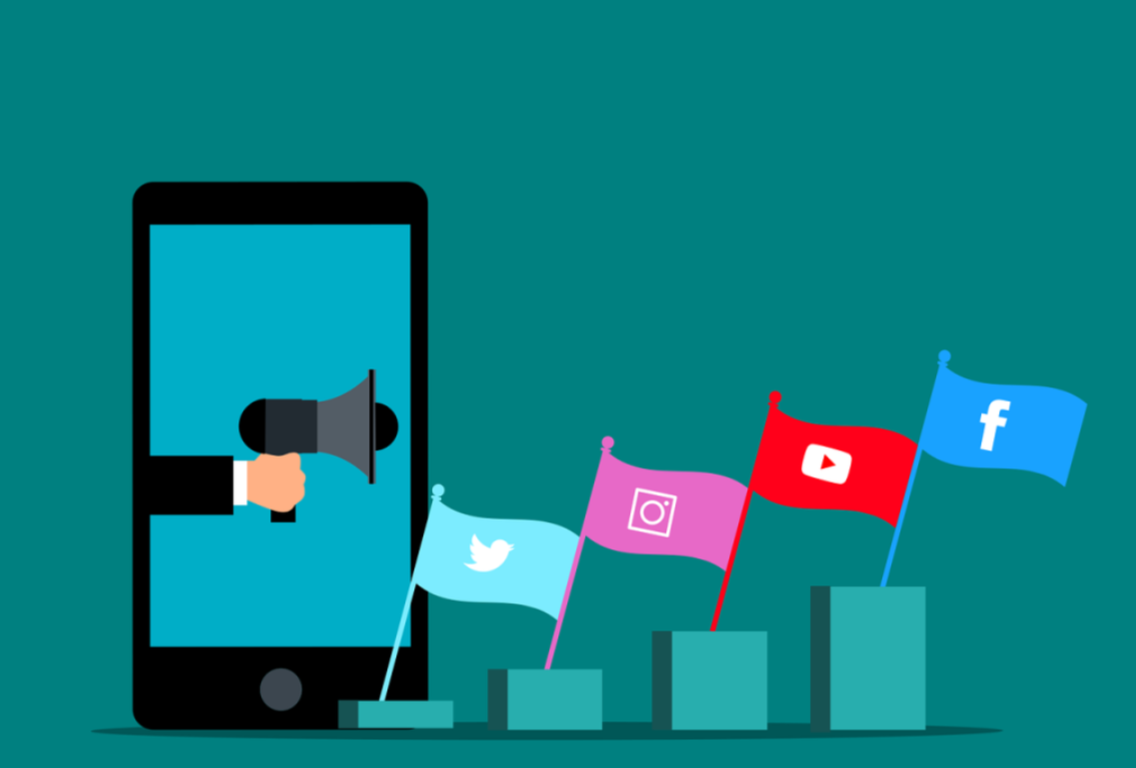
Digital marketing covers a wide range of internet marketing tactics to help advertise one's business in the market.
Below are some of the most digital marketing techniques employed in an effective strategy:
- Search engine optimization - Observe the best on- and off-page tactics on your website to help it increase its organic rankings for its target keywords and increase traffic.
- Search engine marketing - Use paid advertisements to appear on top of search engine results pages (SERPs) and generate traffic in less amount of time.
- Social media marketing - Build a following on various social media platforms like Facebook, Twitter, Instagram, and TikTok and promote your business there.
- Content marketing - Develop a plan that allows you to create and publish various content types across your different online properties to share expertise and improve visibility.
- Email marketing - Create an email list and attract highly targeted subscribers where you can send them emails that engage with them or converts them into customers.
- Video marketing - Publish useful videos on your YouTube channel to diversify your content and reach out to a new segment of your audience.
Each strategy may take months to learn and years to master. So, discussing each one here would probably take around the same time, as each has the processes that make it different from one another.
But what you need to know about the strategies above is they round up your digital marketing strategy guaranteed to achieve your goals of reaching out to your audience.
Affiliate marketing
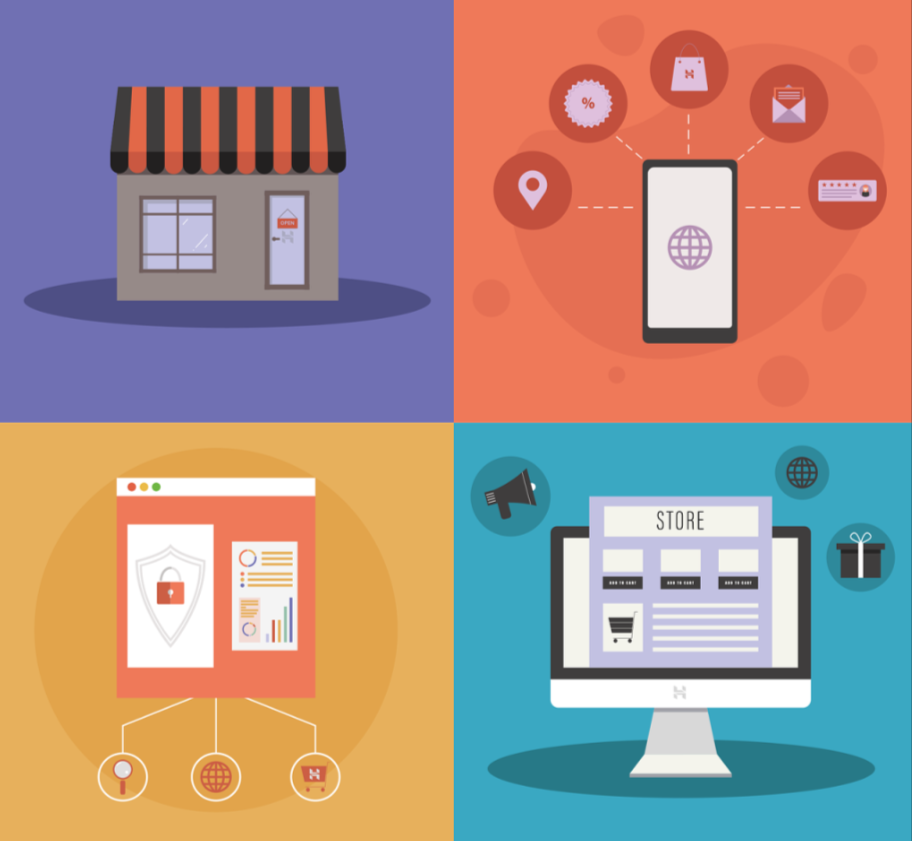
Affiliate marketing covers a much wider range of tactics affiliates can employ.
Its goal is to build connections with their respective audience and convert them into referral sales.
That said, affiliate marketers primarily use digital marketing as their de facto strategy. Examples of people who made it big as affiliates are as follows:
- Matthew Woodward - Matthew has been documenting his blog earnings since 2012. He was able to break through the $1,000,000 lifetime total earnings in 2017, the majority of which comes from affiliate sales.
- Spencer Haws - The owner of Niche Pursuits has built him through affiliate marketing on top of his software products LongTailPro and Link Whisper. He recently sold his public niche site OwntheYard.com for more than $250,000.
- Adam Enfroy - Like Matthew, Adam shared his income reports that break down his earnings across various online channels. In his most recent monthly income report (June 2021), he earned $80,950 of $281,776 from affiliate sales.
Digital marketing makes it easier for affiliates to connect with their target audience due to its scalability. After setting up a website optimized for its target keyword, affiliates can monitor the traffic over a period and make necessary changes to improve its results.
At the same time, affiliates are free to use traditional marketing strategies to build connections and make referral sales. For instance, they can meet up with prospects face to face and sell affiliate products to them.
While traditional methods are few and far between in affiliate marketing, this shows the possibilities afforded by this business model.
#3 - Methodology
Affiliate marketing
There are three parties involved in affiliate marketing. The first is the advertiser, a brand or company with an affiliate program for its product or software.
You can find advertisers in affiliate marketplaces like:
You can also look at brands and software you're already using and check if they have an affiliate program you can join.
A quick Google search using the search query below should help you find the best affiliate programs in your industry:
[niche] affiliate programs.
Replace [niche] with the actual niche you're in. If you can't find programs to join in your niche, you can broaden your search by entering a more general niche.
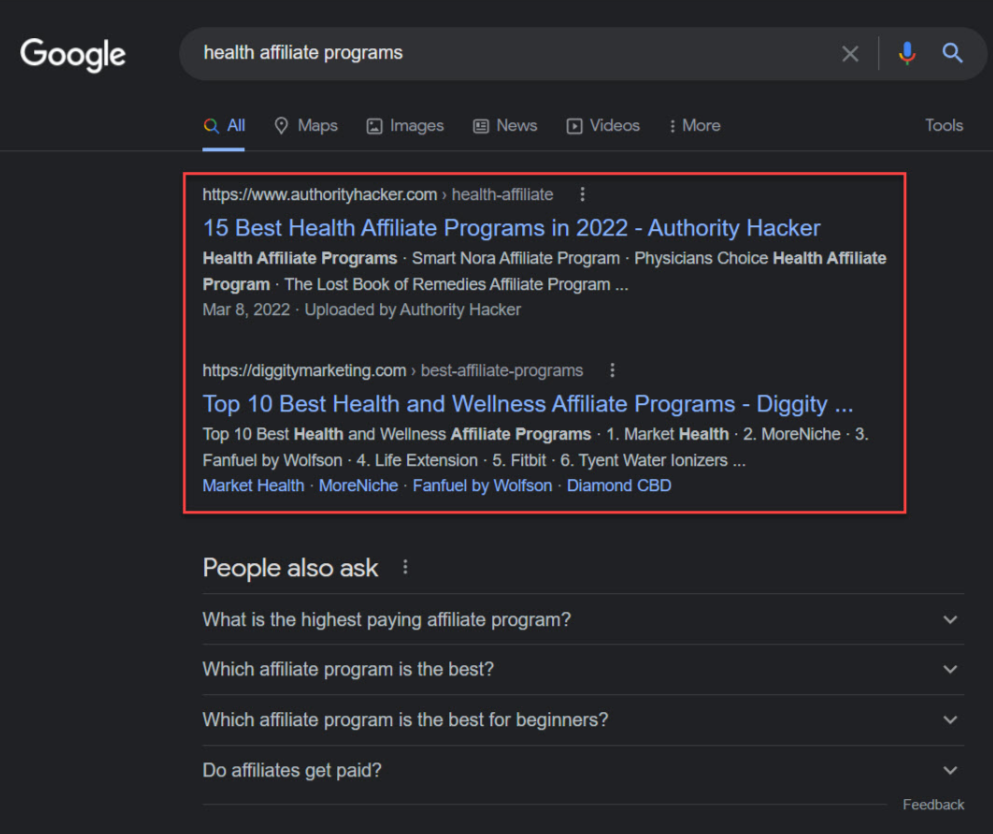
Some brands accept applicants with open arms, while others have a more stringent vetting process. For instance, your site needs to generate a certain number of visitors a month, have thousands of social followers, and others.
The second is the publisher or the affiliate responsible for promoting the product in the hopes of generating sales from their efforts.
Their goal is to promote the products to the third part, which is the audience. By reaching out to their audience, will products and software they're interested in, publishers increase the chances of making a sale with the audience.
Digital marketing
Digital marketers are responsible for developing a cohesive plan relying on online platforms to promote an online business.
At the very heart of digital marketing is an iterative process. It requires marketers to understand what their audience wants and needs and market its business as a solution to their problems.
Over time, they must track the campaign to monitor its effectiveness. The true greatness of digital marketers lies in their ability to tweak campaigns for the purpose of getting better results.
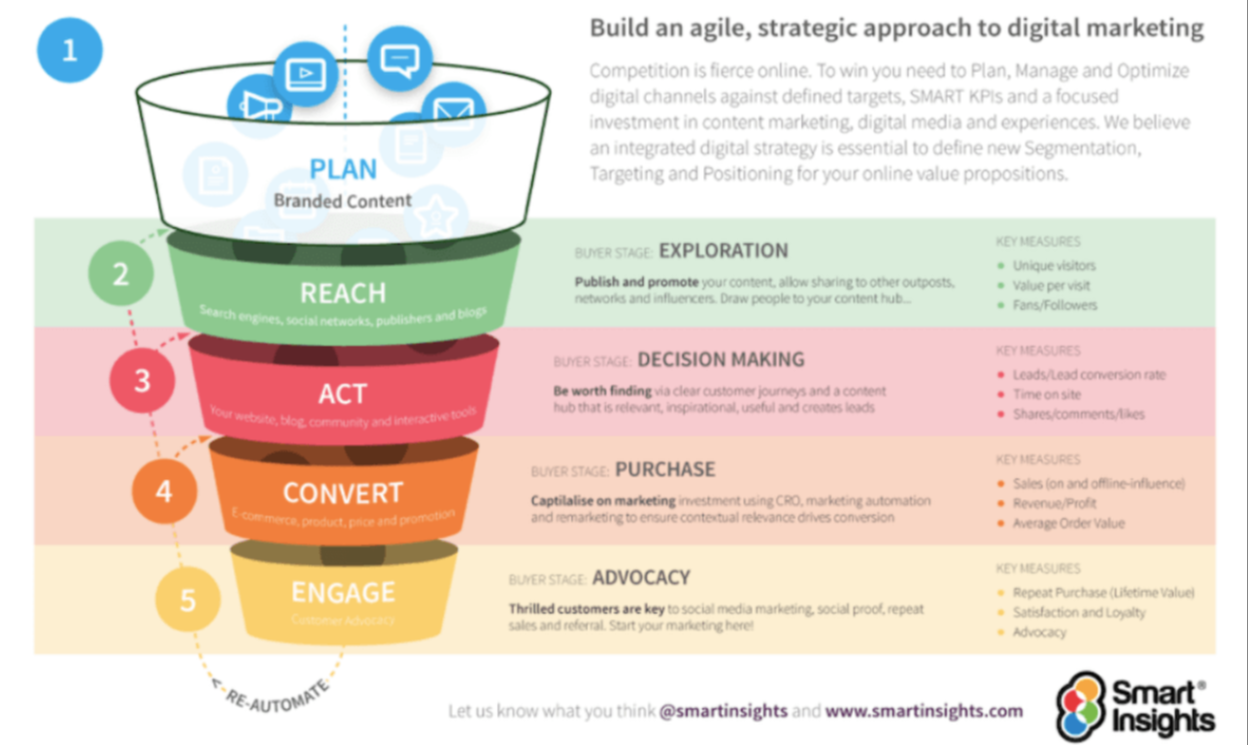
Due to the volume of techniques available, they can't create campaigns for all of them. Doing so would be unwise, especially if your audience is only available at special online channels.
That said, you must first consider where the majority of your target audience engages online. For instance, if your target market spends most of its time sharing its thoughts on social media, you should focus on creating a social media plan.
#4 - Monetization
Affiliate marketing
Once approved in the program, affiliates can access the affiliate link you need to promote to earn commissions for every sale. The link has a cookie that allows the system to determine that you referred customers to the product.
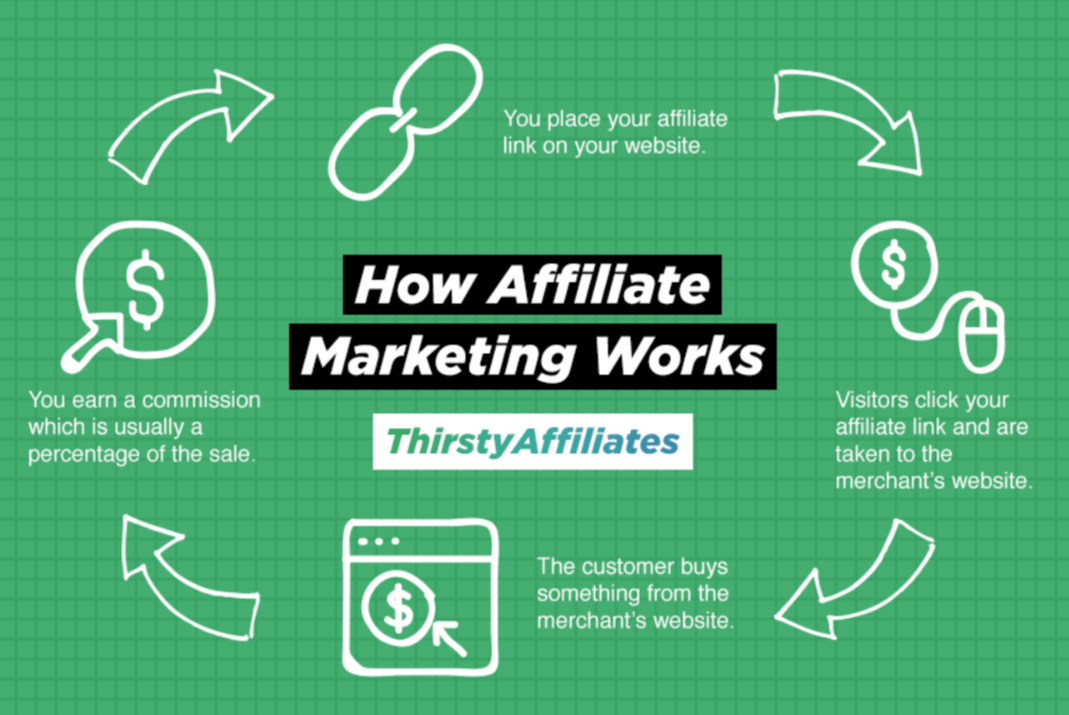
Inside your account, affiliates should see promotional materials like banners they can feature on your website or social media, email campaigns to send subscribers, and others. All these are geared to help them make the sale.
In affiliate networks and marketplaces, you must search for the products to promote. Each brand within marketplaces will have its commission rates and terms. It would be best to educate yourself with their rules to understand how much money you can make by promoting the products over time.
Next, decide where and how you're going to promote them. Below are some of the most popular marketing channels:
- Blog/website - Create content and optimize them to rank on search engines for their keywords.
- Social media - Follow your target audience, engage and build relationships with them leading up to a sale.
- YouTube - Publish useful videos about the products you're promoting, such as their benefits, how to use them, use cases, and more.
- Traditional marketing - Establish yourself as an authority and build a network to whom you can sell the affiliate product.
After getting more people to buy the product using the link, all affiliates need to do is periodically wait to receive the correct amount of commissions. There's no need to worry about shipping the product or answering customers' questions about it.
Affiliate marketing is best for people who have an established audience with their websites or social platforms. If the site isn't generating lots of traffic or their social media doesn't have enough followers, making affiliate sales consistently will take much more time.
Also, while the affiliate marketing model allows people to be their own boss, one thing they must answer for is the affiliate's commission terms.
There's a chance that the affiliate can lower rates without warning. Ask Amazon affiliate in 2020 when the platform cut down its commission rates.
The sad part here is that this happened before and has been a recurring theme.
The best thing you Amazon affiliates can do is to transfer to another affiliate program and promote different products, which is a hassle at the very least.
Digital marketing
As a digital marketer, skill is your currency. The more well-rounded people are with the different strategies under the digital marketing umbrella, the higher their earning potential can be.
This is evident with the number of digital marketers signed up at Legiit. If you're an aspiring digital marketer, you can join the platform and sell your wares here to land multiple side gigs or big projects to work on.
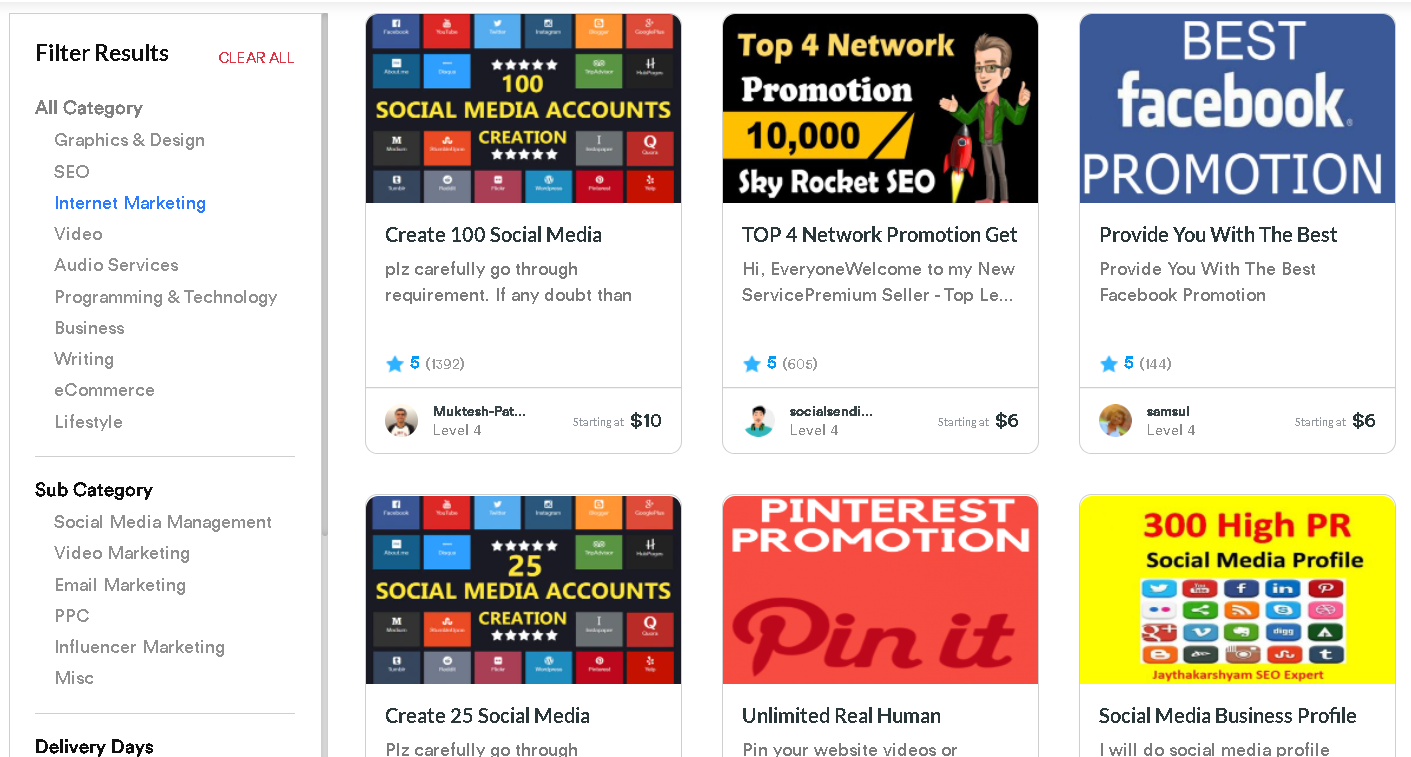
However, your income will only be as good as how much employers are willing to pay you. Sometimes, there's a discrepancy between the money you deserve and your income right now.
It would help if you also learned how to market yourself properly. For instance, putting your digital marketing skills to practice by creating a high-converting landing page and crafting compelling copy will help you attract more sales.
#5 - Ownership
Affiliate marketing
You can turn your passions or hobbies into a business as an affiliate marketer with affiliate marketing done right. All you need to do is manage your online properties that are generating traffic and sales.
You can dictate the terms on how you work and make money without answering to anyone.
You no longer have to wake up early and work at a job you hate, only to go home, sleep, and do the same thing tomorrow. What's important is earning money you're comfortable with at your leisure and pace.
But as mentioned earlier, you are making money from someone else's product and software. So while the affiliate business you're running is yours, you are dependent on the product you're promoting.
Even if you are breaking the bank as an affiliate, the real people benefitting from your promotion skills are the brands whose affiliate programs you signed up to.
To be fair, this advertiser-publisher relationship is the foundation affiliate marketing is built on. But it doesn't change the fact that you're simply getting pennies at this point while brands are getting the lion's share from the traffic and referrals you're generating.
Digital marketing
As mentioned, digital marketing allows you to take ownership of your skill. By building up your fluency in the various online marketing strategies, you can command a higher price in the market.
Aside from that, you can set up an agency to work or build your online business, such as an online store and coaching program. From here, hire people to train who will implement your tactics to help grow and scale your business.
As you can see, you can leverage your skills to run a business on autopilot. Similar to affiliate marketing, you can make money while you sleep as your employees do the heavy lifting for you.
The only difference is that you own the product and services you're peddling to the public. This results in higher earning potential since you don't share the profits (aside from paying your employees).
Conclusion
To recap:
- Digital marketing is limited to online platforms only, while affiliates have the freedom to implement non-online approaches to generate referral sales.
- Affiliate marketing requires the participation of an advertiser or brands selling a product to make the affiliate business model work. On the other hand, digital marketing is only concerned with its target audience and how to reach out to them, whether it's for their clients or business.
- Affiliates rely on the commission rates of the programs they're a part of. To maximize their earnings, they must strike a balance between a good product to promote with generous commission percentages.
- The income of digital marketers hinges on how proficient their skills are. The better they are at employing the different online tactics, the more products they can sell or the higher clients are willing to pay them.
- Affiliates don't own the products they promote and sell, while digital marketers sell their products and services. As a result, digital marketers receive the entire payment for every transaction, while affiliates only get a fraction of the sale.







 Download