
Every business owner eventually faces the classic dilemma of "Build vs. Buy."
Do you buy a suit off the rack, or do you get one tailored? Do you buy a house, or do you build one from scratch?
Now, this question has come to Artificial Intelligence.
With the rise of tools like ChatGPT, Claude, and Jasper, you have instant access to powerful AI. You can pay a monthly subscription and start using them immediately. This is "Buying."
But sometimes, those tools are not enough. They do not know your customers, they do not know your inventory, and they definitely do not know your brand voice. To get that, you need to create your own solution. This is "Building."
This guide breaks down the pros, cons, and costs of each path so you can decide which strategy is right for your business.
Option 1: Buying (The Ready-Made Solution)
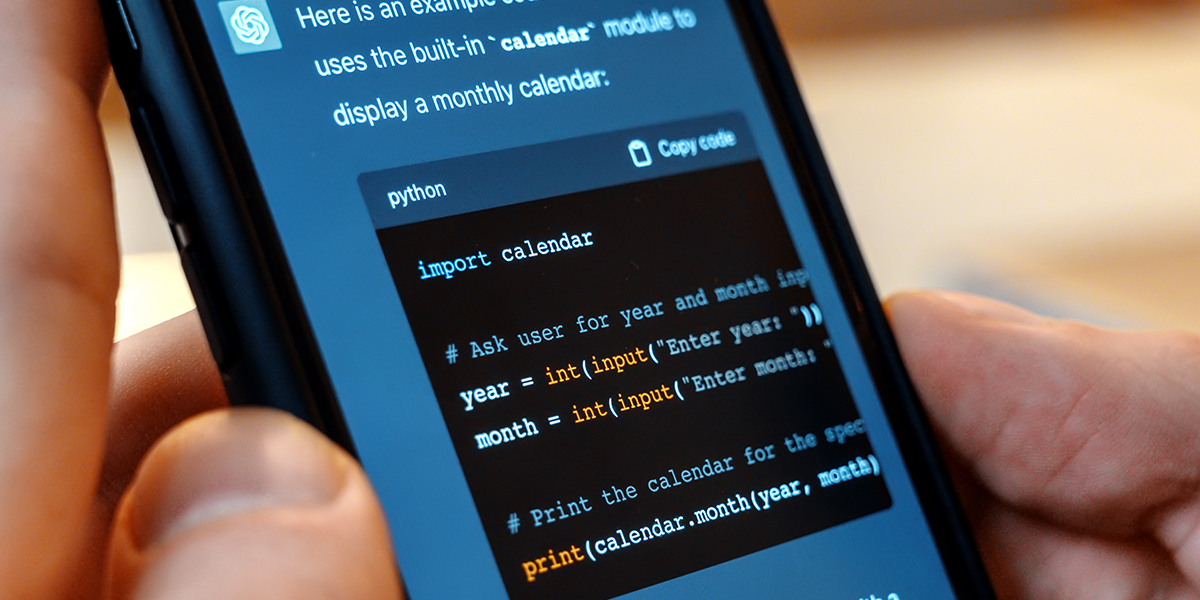
This is the path of least resistance. You sign up for an existing software platform, pay a monthly fee, and log in.
The Pros
- Speed: You can start today. There is no development time and no waiting.
- Reliability: These tools are built by billion-dollar companies. They rarely crash, and they are constantly updated with new features.
- Low Upfront Cost: You only pay a small subscription fee, usually between 20 and 50 dollars a month per user.
The Cons
- Generic Results: The AI sounds the same for you as it does for your competitors. It uses general knowledge, not your specific company secrets.
- Data Privacy: When you use a public tool, you often have less control over where your data goes.
- Feature Bloat: You pay for a thousand features, even if you only need two of them.
Who Should Buy:
Solopreneurs, freelancers, or small teams who just need help with general tasks like writing emails, brainstorming ideas, or fixing grammar.
Option 2: Building (The Custom GPT Solution)
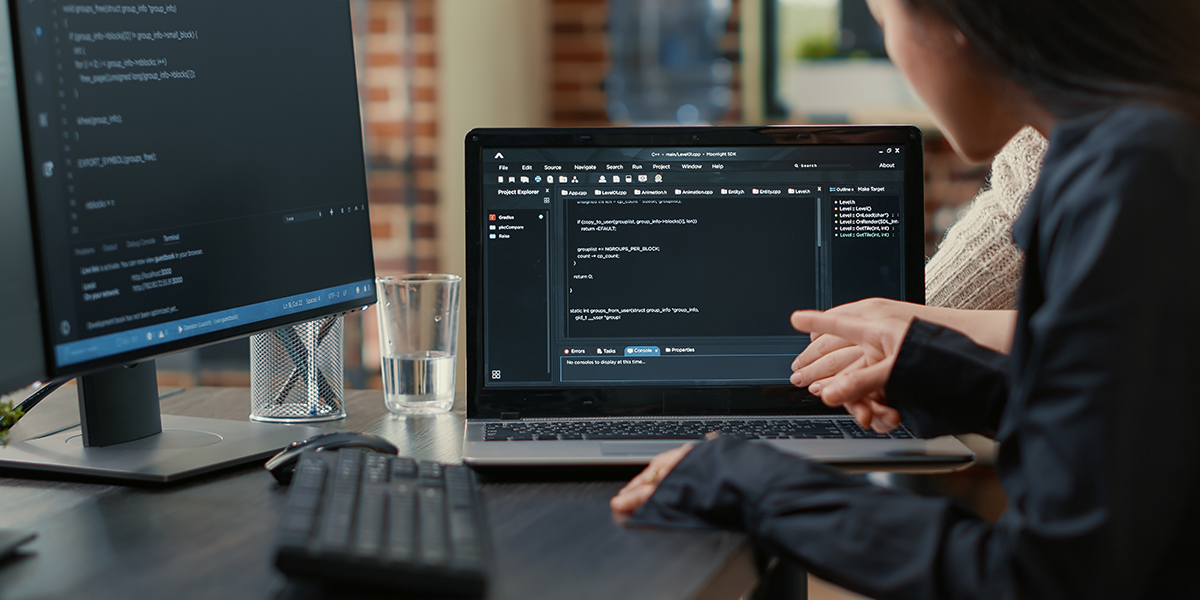
This is the path of ownership. You hire a developer to build a specialised AI layer on top of a powerful model. You train it on your own data and integrate it into your own website or Slack channel.
The Pros
- Perfect Fit: The AI knows exactly what you sell. It knows your return policy, your pricing tiers, and your tone of voice. It does not guess; it references your actual documents.
- Competitive Advantage: You own this asset. Your competitors cannot just sign up and get the same results because they do not have your proprietary data.
- Integration: A custom GPT can actually do things. It can log a ticket in your CRM, update a spreadsheet, or send an invoice. Standard chatbots usually cannot do this.
The Cons
- Upfront Effort: You need to gather your data and organise it.
- Maintenance: You need to update the documents occasionally to keep the AI smart.
- Initial Cost: You have to pay a developer to set it up.
Who Should Build:
Agencies, ecommerce stores, law firms, and any business with specific workflows or complex products that a general AI cannot understand.
The Decision Checklist
If you are still on the fence, use this simple 3-point test to decide.
1. The "Secret Sauce" Test
Does the AI need to know private information to be useful? If yes (e.g., it needs to know your client list or specific legal templates), you should Build. If no (e.g., you just need it to write generic blog posts), you should Buy.
2. The Frequency Test
How often do you do this task? If you do it once a month, just use a free tool. If you or your team do it 50 times a day (like answering support tickets), Building a custom tool will save you thousands of hours and pay for itself quickly.
3. The Brand Voice Test
Does the output need to sound exactly like you? General AI sounds robotic. If you need a specific personality (like a friendly support agent or a witty marketer), Building allows you to fine-tune that personality perfectly.
The Hybrid Approach
The good news is that "Building" does not mean coding from scratch anymore.
You do not need to hire a team of engineers for six months. Today, you can hire a specialist to build a "Custom GPT" using OpenAI's platform or similar tools in just a few days. This gives you the best of both worlds: the power of a major model with the customisation of bespoke software.
Final Verdict
Buying is like renting a furnished apartment. It is easy, but you cannot knock down the walls. Building is like owning a home. It takes more work to move in, but you design it to fit your life perfectly.
In 2026, the businesses that win are the ones that own their intelligence.
For the best results, we recommend you go with Legiit to find your expert. You do not need to learn Python to build a custom tool. Legiit hosts freelance AI developers who can take your documents and build a Custom GPT for you, giving you a tailored solution for a fraction of the cost of enterprise software.
Build vs. Buy FAQ
Q: Is building a Custom GPT expensive?
A: Not anymore. Years ago, it cost $50,000+. Today, because freelancers use existing platforms (like OpenAI or Vapi) as a foundation, you can often get a fully functional custom tool built for between $500 and $2,000, depending on complexity.
Q: Do I need a dedicated server to run a custom bot?
A: Rarely. Most modern Custom GPTs are hosted in the cloud via API. You do not need to buy hardware; you simply pay for the API usage (which is usually pennies per day).
Q: If I buy a tool, does it learn from my data?
A: Usually, no. "Buying" a standard subscription gives you a static tool. It forgets everything once the chat closes. If you want the AI to "remember" your business rules forever, you must build a custom solution.
Q: Can I switch from Buying to Building later?
A: Absolutely. Most businesses start by buying a subscription to test the waters. Once they see the value, they hire a developer to build a custom version that automates their specific workflows.




 Download