

We have all interacted with "dumb" chatbots. You type a specific sentence, and if you misspell one word, the bot crashes or says, "I do not understand."
That experience is frustrating because it feels like typing command codes into a terminal. It does not feel like a conversation.
In 2026, the standard has changed. Customers expect their AI interactions to feel natural, fluid, and surprisingly human. The technology making this possible is called Natural Language Processing (NLP).
NLP is the bridge between computer code and human speech. It is the reason modern AI can understand sarcasm, follow a wandering story, and respond with empathy rather than robotic error messages.
This guide breaks down how NLP works and why it is the secret ingredient to building an AI assistant that your customers will actually enjoy talking to.
The Difference Between Keywords and Intent
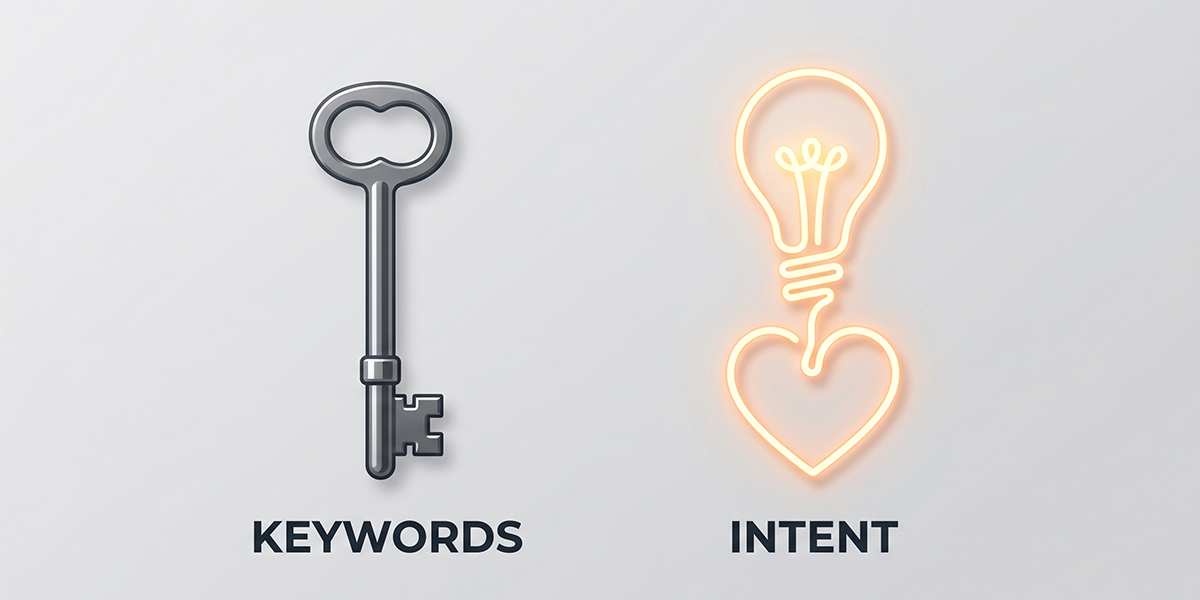
Old-school bots functioned on "Keywords." If you typed the word "Refund," the bot served up the Refund Policy. It did not matter if you said "I want a refund" or "I hate refunds," the result was the same.
NLP changes this by focusing on Intent.
When a customer says, "My package never showed up," an NLP-powered AI understands the intent is "Missing Item," even though the customer never used the words "missing" or "lost." It deciphers the meaning behind the words, allowing the AI to respond helpfully: "I am sorry to hear that. Let me check the tracking status for you."
Context Awareness (The Memory Game)
The biggest marker of a "robotic" conversation is a lack of memory.
- Bad AI Interaction:
User: "Do you have the red shoes?"
Bot: "Yes."
User: "How much are they?"
Bot: "How much are what?"
- Good NLP Interaction:
User: "Do you have the red shoes?"
Bot: "Yes, we have them in stock."
User: "How much are they?"
Bot: "The red shoes are $50."
NLP gives the AI Contextual Memory. It understands that "they" refers to the "red shoes" mentioned in the previous sentence. This allows the conversation to flow naturally back and forth without the user having to repeat themselves constantly.
Sentiment Analysis (Reading the Room)

Humans change their tone based on who they are talking to. An AI with advanced NLP can do the same through Sentiment Analysis.
The AI scans the user's input for emotional cues.
- If the user uses positive words ("Great," "Thanks," "Love it"), the AI matches that energy with a cheerful response.
- If the user uses negative or urgent words ("Broken," "Wait," "Angry"), the AI shifts to a serious, apologetic, and solution-oriented tone.
This ability to "read the room" prevents the awkward situation of a bot sending a happy smiley-face emoji to a customer who is complaining about a damaged product.
Handling Slang and Typos
Real people do not type perfectly. We use slang, we make typos, and we use regional idioms.
A rigid system fails when it sees "gonna" instead of "going to." An NLP system understands that they mean the same thing. It is trained on vast amounts of real-world data, meaning it can parse messy, informal human speech and still execute the correct command. This makes your AI accessible to everyone, not just people who type like English professors.
NLP Technology FAQ
Q: Do I need to teach the AI every single word?
A: No. Modern NLP models are pre-trained on billions of conversations. You only need to fine-tune them on your specific business details (like your product names or return window). They already know how to speak English (or Spanish, French, etc.).
Q: Can NLP understand voice accents?
A: Yes. When paired with Voice Recognition, NLP is excellent at deciphering different accents and dialects, provided the audio quality is decent.
Q: Is this only for large companies?
A: Not anymore. Access to advanced NLP models (like those from OpenAI or Anthropic) is now available via API for freelance developers. You can build a "smart" bot for a small business at a fraction of the cost it took five years ago.
Final Verdict
If your AI assistant sounds like a robot, your customers will treat it like a robot. They will be short, impatient, and quick to ask for a human.
By implementing Natural Language Processing, you turn your AI into a brand ambassador for your business. It creates a friction-free experience where customers feel understood, respected, and valued.
For the best results, we recommend you go with Legiit to find your expert. You need a developer who understands how to fine-tune these models for your specific industry tone. Legiit hosts freelance AI specialists who can take a generic bot and train it to speak with the unique voice and intelligence of your top sales agent.







 Download