

We have all been there. You sign up for the latest buzzing AI writing tool, expecting it to solve all your deadline problems. You type in a prompt, hit generate, and wait for the magic. The text appears, and at first glance, it looks fine.
But then you start reading. The tone is stiff. The facts are slightly off. It uses words like "unleash" and "elevate" in every sentence. Suddenly, you realise you are not saving time at all. You are spending the next hour rewriting the entire piece to make it sound like a human actually wrote it.
This is the hidden cost of generic AI tools. They are built to please everyone, which means they are rarely perfect for anyone.
If you want to truly reclaim your schedule, you need to move beyond the one-size-fits-all chatbots. The real productivity breakthrough comes from specialised, custom-configured tools that fit your workflow like a glove.
This guide explores the difference between playing with AI and actually working with it, and how you can get your hands on tools that save you hours, not just minutes.
The Problem with Generic AI Tools
Most popular AI platforms are generalists. They are like a Swiss Army Knife. They can open a bottle, cut a rope, and file their nails, but they are not the best tools for building a house.
When you use a general tool for a specific business task, you encounter what we call the "Edit Tax." This is the time you pay to fix the AI's mistakes.
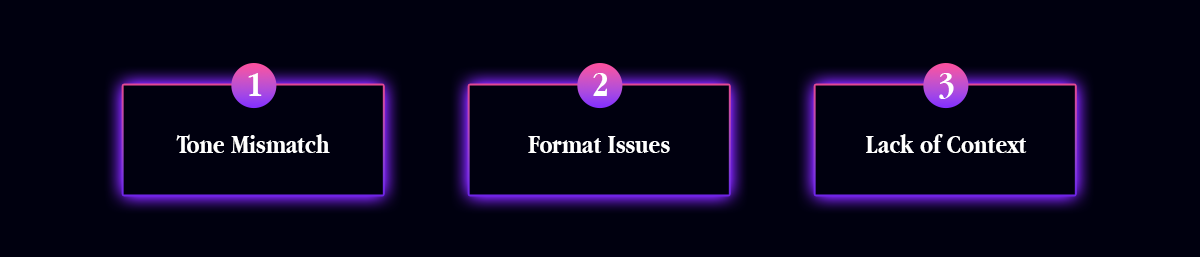
- Tone Mismatch: The AI sounds too corporate or too casual, forcing you to rewrite sentences to sound like yourself.
- Format Issues: It gives you a block of text when you needed a bulleted list, a specifically formatted newsletter, or a JSON code snippet.
- Lack of Context: It does not know your previous articles, so it repeats things you have already said or contradicts your brand stance.
Real-time saving happens when you eliminate this Edit Tax. And the only way to do that is with tools that are purpose-built for your specific needs.
What True Time-Saving Tools Look Like
If generic tools are the problem, what is the solution? It is a customised AI. These are tools that have been tuned, prompted, or programmed to do one thing perfectly.
1. The Brand Voice Cloners
Imagine an AI tool that has read every blog post you have written in the last five years. When you ask it to write a new one, it does not just guess your style. It mimics your sentence structure, your vocabulary, and your humour. You do not spend time editing the "robot voice" out of the draft because the draft already sounds like you.
2. The Workflow Integrators
Generic tools require you to copy and paste. You copy the prompt, paste it in. Copy the result, paste it into your CMS. A real time saver is a tool that connects directly to your systems. It sits inside your Google Docs or your WordPress dashboard. You click a button, and the AI drafts the content directly in the publishing window, formatted with your specific headers and SEO tags.
3. The Research Synthesisers
Writing is often 20 per cent typing and 80 per cent reading tabs. A specialised AI tool can be configured to browse specific industry news sites you trust, summarise the top stories of the day, and draft a newsletter based only on those sources. It saves you the hours of doom-scrolling through news feeds.
How to Get These Non-Generic Tools
You might be thinking that this sounds expensive or complicated. In the past, it was. You needed a dedicated engineering team to build custom software.
In 2026, that has changed. The rise of "No-Code" platforms and accessible AI APIs means that individual developers can build these micro-tools quickly and affordably. You do not need to buy a million-dollar enterprise software suite. You often just need a simple script or a custom interface that connects OpenAI's brain to your business's data.This is where the human element comes back in. You cannot download these specific tools from an app store. You usually need someone specialising in programming & technology to configure them for you.
Why Customisation is the Ultimate Productivity Hack
The businesses that are winning right now are not the ones just subscribing to ChatGPT Plus. They are the ones hiring freelancers to build "wrappers" around these models.
A wrapper is a simple piece of software that creates a boundary for the AI. It tells the AI to only look at these files, only write in this format, and never use these specific words.
By investing in a setup like this, you move from being a "Prompt Engineer" (which takes time) to a "Content Reviewer" (which takes seconds). If your primary goal is scaling organic visibility, you can have these frameworks baked directly into your workflow to streamline SEO output without compromising on your standards.
FAQ
Q: Which AI tool gives real-time data?
A: For out-of-the-box solutions, tools like Perplexity AI and Google Gemini have live internet access and can provide up-to-date information. However, for business use, the best option is often a custom-built tool that connects an AI model (like GPT-4) to a specific browsing API or your own internal database, ensuring the "real-time" data is exactly relevant to your industry.
Q: Does using AI save time?
A: Yes, but only if the AI is integrated correctly into your workflow. If you use generic AI and spend hours fact-checking and rewriting the output, you might actually lose time. The "30% Rule" suggests that AI should handle the heavy lifting (research and drafting) so you only spend time on the final polish. Custom tools are the best way to ensure this efficiency.
Q: Which AI tool is better for content creation?
A: It depends on the type of content. Claude is often praised for having a more natural, nuanced writing style that requires less editing for long-form articles. ChatGPT is excellent for brainstorming and structure. However, the best tool is almost always a custom-configured interface that combines the strengths of these models with your own brand guidelines.
Q: What is the 30% rule in AI?
A: The 30% rule is a standard in professional content creation. It states that you should let AI do about 70% of the work (the research, outlining, and rough drafting), but the final 30% must be human effort. This includes adding personal anecdotes, emotional nuance, fact-checking, and ensuring the brand voice is authentic. This balance maximises speed without sacrificing quality.
Final Verdict
If you find yourself constantly fighting with your AI tools, it is time to stop blaming the technology and start looking at the implementation. Generic tools give generic results. Specialised tools give specialised results.
The difference between a frustrating chatbot and a life-changing business asset is customisation. To get a tool that actually saves time, you need to build it, or better yet, have it built for you.
This is exactly why you need to explore a professional AI marketplace. You do not need to learn Python or study API documentation. You can simply hire a verified expert on Legiit who has already built these tools for dozens of other businesses. They can look at your workflow, spot the bottlenecks, and hand you a custom solution that turns a four-hour task into a four-minute one.








 Download