


The debate over the "death" of the press release has raged in marketing circles for over a decade.
In the early 2010s, they were used to "game" search engines with keyword-stuffed links on low-quality news wires.
By 2026, the game will have changed entirely due to the rise of Generative AI and Google’s sophisticated understanding of "Entities."
If you are using press releases solely to hunt for do-follow backlinks, you are living in the past.
However, if you are using them to build an unshakeable digital footprint, you are winning the future of search.
At Legiit, we’ve seen the PR vs. SEO debate evolve into a unified strategy: Authority Building.
The Shift: From "Link Juice" to Brand Authority
In 2026, search engines like Google will give significantly less weight to links found directly inside a press release.
The algorithm knows these are "paid" placements, even if they are hosted on reputable news sites.
The real SEO value of a press release today doesn't come from a clickable URL; it comes from Third-Party Validation.
When a reputable news outlet picks up your story, it builds a level of trust that self-promotion can never achieve.
This leads to a "Branded Search Lift," where users begin Googling your company specifically after seeing it in the news.
Data suggests that effective PR campaigns now lead to a 6% to 12% increase in branded searches within thirty days.
The Rise of "Implied Links" and Entity Recognition
Search engines have become smart enough to recognize "unlinked brand mentions" as a ranking signal.
These are known as Implied Links.
Even without a blue underlined link, when a high-authority site mentions your brand, it strengthens your "Entity" in Google’s knowledge graph.
This tells the algorithm that your business is a real, trusted player in your specific industry and geographic area.
For local businesses, this is the difference between being "just another plumber" and being "The Electrician in Charlotte," cited by local news.
By securing these mentions, you are building a wall of authority that competitors using only traditional backlinks cannot touch.
The Role of AI in 2026 Press Releases
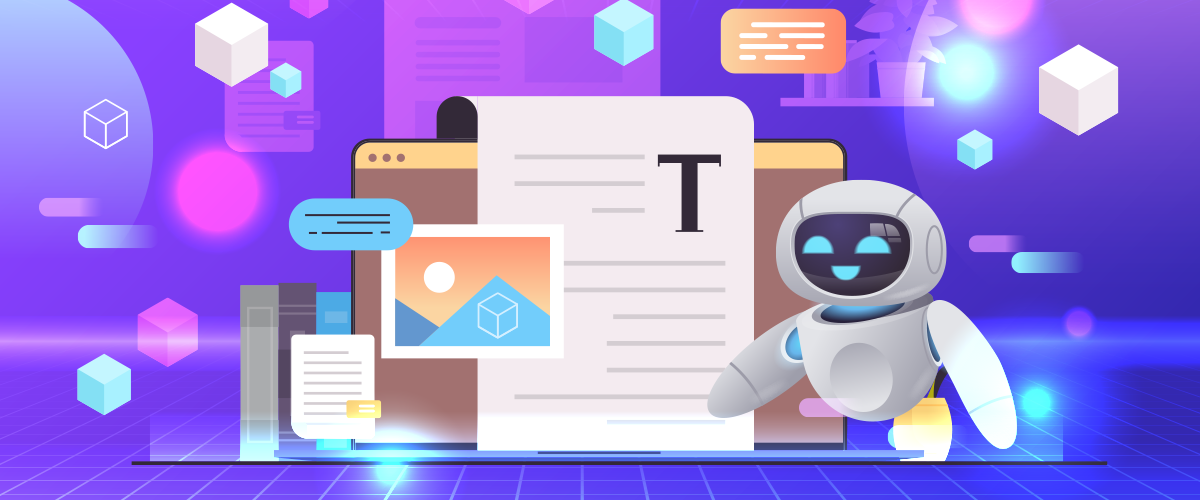
Press releases are no longer just written for human journalists; they are written for Generative AI Engines.
Systems like ChatGPT, Gemini, and Google’s Search Generative Experience (SGE) are constantly hunting for "Sources of Truth."
1. Helping AI Interpret Your Brand
Cleanly stated facts and explicitly named entities in a press release help AI systems interpret your brand correctly.
When an AI summarizes a topic, it looks for the most "official" source to cite as a reference.
2. Information Gain and AI Citations
AI models prioritize "net-new" information, insights, or data that haven't been repeated a thousand times.
Releases that provide original industry data or unique case studies are much more likely to be selected as a cited reference.
Currently, over 66% of PR practitioners track their brand's presence in AI-generated answers as a primary ROI metric.
Key Metrics for Success in 2026
To measure if your press release is actually working, you must look beyond the "backlink count."
Focus on these four core pillars to determine your true return on investment:
- Media Pickups: This indicates the actual newsworthiness of your story. Did a human journalist actually find this interesting?
- Referral Traffic: A strong release should drive high-intent visitors directly to your site, bypassing traditional search results.
- AI Citations: Are AI search engines using your press release data to answer user queries?
- Trust and E-E-A-T: 89% of journalists still consider official press releases their most trusted source for organizational news.
Modern Best Practices: Avoiding the "Digital Noise"
To ensure your release functions as a brand builder, you must follow the rules of the 2026 attention economy.
- Lead with News, Not Jargon: Every release must answer "Why should I care about this today?" with concrete proof points.
- Multimedia Integration: Releases with multiple high-res images or videos see up to 6x more engagement than text-only versions.
- Human-Centric Quotes: Avoid corporate "excitement" like "We are thrilled to announce." Instead, use quotes that offer real judgment or a unique perspective on a problem.
- Hyper-Local Targeting: If you are a moving company in Manchester, your release should focus on Manchester-specific data to win in local news feeds.
The Difference Between Backlink Strategy and Brand Building
A Backlink Strategy is often a "numbers game" focused on volume, getting as many links as possible to move the ranking needle.
Brand Building is a "reputation game" focused on quality, ensuring that whenever your name appears, it is associated with expertise.
In 2026, you make your backlink strategy a "Brand Builder" by focusing on contextual relevance.
A link from a niche-specific news site is worth more than fifty links from generic "free" press release directories.
The "bad" strategies to avoid are mass emailing generic pitches and buying "link blast" packages that land on sites with zero actual readers.
Which Backlink Strategies are Still Effective?
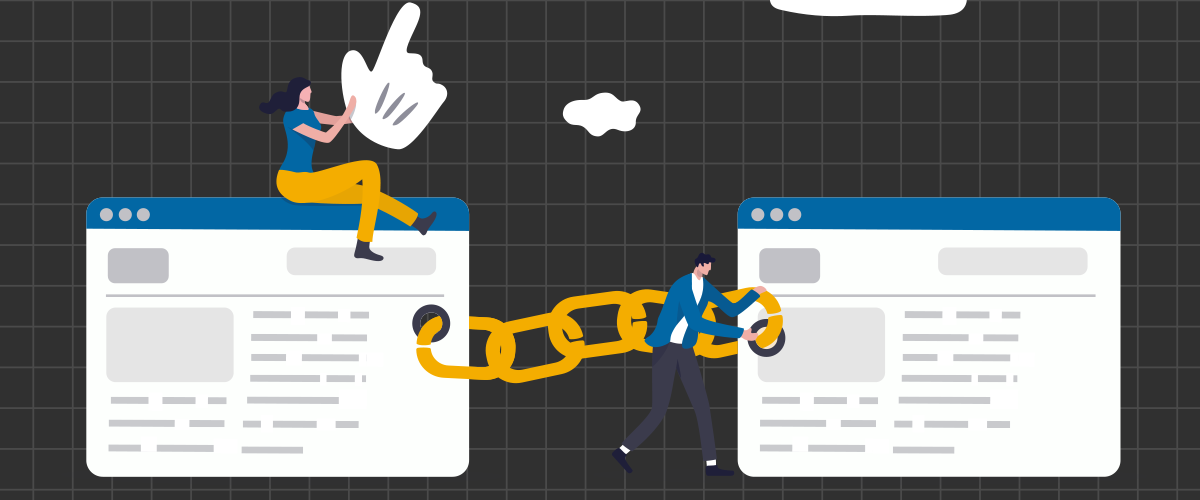
The strategies that still work are those that prioritize Helpful Content and E-E-A-T.
Editorial outreach, guest posting on niche-relevant blogs, and high-quality press releases remain the gold standard.
You know your strategy is working when you see an increase in "Direct" and "Branded" traffic in your analytics.
If people are searching for your brand name specifically, search engines see that as the ultimate signal of authority.
This creates a virtuous cycle: higher brand authority leads to better rankings, which leads to more traffic.
Frequently Asked Questions
1. Are do-follow links in press releases completely useless?
Not completely, but their power has shifted. They are now "hints" for search engines rather than direct ranking factors. Their primary value is driving referral traffic and establishing a baseline of digital presence.
2. How can I turn a press release into a brand builder?
Focus on "Information Gain." Instead of just announcing a service, release a report on industry trends or a unique case study. This makes your brand a "source" rather than just an advertiser.
3. What are the "Bad" backlink strategies to avoid in 2026?
Avoid "PBNs" (Private Blog Networks), automated comment spam, and low-quality directory listings. These are easily detected by AI-driven algorithms and can lead to domain-wide penalties.
4. Does Google penalize press releases?
Google does not penalize the press release itself, but it does penalize "link schemes." If you use over-optimized anchor text in hundreds of low-quality releases, it can trigger a manual or algorithmic review.
5. Why should I use a service like Legiit for press releases?
Legiit connects you with PR professionals who understand the 2026 landscape. They focus on crafting newsworthy stories that get actual pickups, rather than just "blasting" text to dead websites.
The Strategic Bottom Line
In 2026, the press release is a hybrid tool: it is part SEO, part PR, and part AI training.
The days of using it as a "shortcut" for backlinks are over.
Today, its power lies in its ability to build Entity Authority and Brand Trust.
By combining high-quality distribution with genuine, data-driven news, you position your brand as a leader that search engines and humans can trust.
Don't just post a release; start a conversation.



 Up & Coming Talent





 Download